
FORAGE
> Home > Feeding Info > Forage
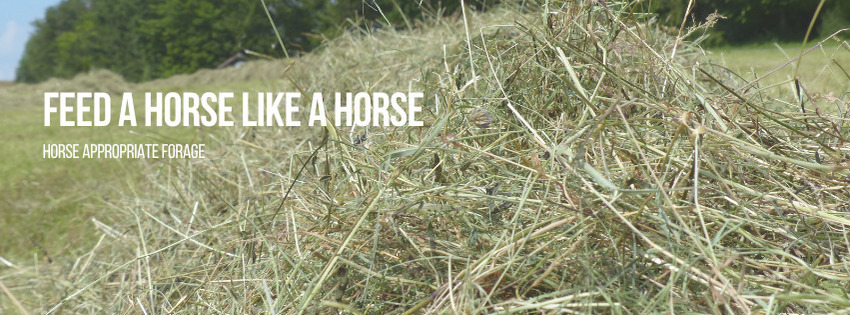
Providing your horse with a forage-first diet is the most effective method for enhancing their overall health and welfare, closely mimicking the natural grazing habits of horses. Emphasizing forage promotes digestive efficiency, supports metabolic function, assists with weight management, and satisfies natural behavioural tendencies.
Forage is composed of fiber-rich plant materials, including grasses, legumes, and hay. In contrast to grain-based feeds, which are often elevated in sugars and starches, forages offer a consistent, slow-releasing energy source that aligns with a horse’s digestive system. Selecting the right type, quantity, and quality of forage is essential for a successful forage-oriented diet. We focus primarily on hay intake to provide essential Dry Matter but other options such as pasture grass, or fermented forage alternatives can be utilised depending on your horse’s needs.
The aim of a forage first diet is to maximise forage consumption while minimizing the usage of concentrated feeds. This type of feeding is ideal for your horse’s digestive health enhancing both foregut and hindgut function.
When compared to high grain diets, forage based diets generally contain lower levels of sugars and starches. Rather than depending on these sugars and starches for calories, energy is sourced from fiber, which more accurately reflects the diet of wild horses. For equines suffering from metabolic issues, it is crucial to maintain Starch below 4% and Soluble Sugars and Starch below 10% combined, to help prevent laminitis.
A forage-focused feeding strategy provides many advantages for horses, such as:
- Encouraging continuous foraging, resulting in steadier feed intake and less time between meals
- Lowering the likelihood of gastric ulcers linked to sporadic grain feeding
- Mitigating the chance of digestive and metabolic complications tied to high grain diets
- Enhancing mental well-being and lowering the risk of stereotypic behaviours by promoting natural grazing activities
Dietary emphasis on forage tends to be more economical than those that rely heavily on significant quantities of commercial grains or complete commercial premixed feeds.
While forage is typically sufficient to meet the energy and protein needs of most horses, the majority of hays do not provide adequate amounts of key nutrients, such as: Sodium, Zinc, Copper, Selenium, Vitamin E & Essential Fatty Acids.
Pasture grass is a better source of vitamins, protein and energy than hay, but nutrient levels and quality in pasture are variable throughout the year and may well exceed or fall short of your horses basic nutrient needs. When it falls short it will need supplementing, and when it is in excess may require grass management depending on how an individual horse reacts and copes with it.
Some higher nutritional need horses such as heavy work, breeding or elderly require additional energy in their diet to meet caloric needs. After maximizing forage intake and balancing the diet to provide adequate protein, vitamins, and minerals, you may need to add more energy-dense feeds and forages to supply required calories. More on this in depth in the What & When to feed more resource below.
An excellent calorie source for horses that are low in sugar and starch content is flaxseed/linseed.